
Lead brief
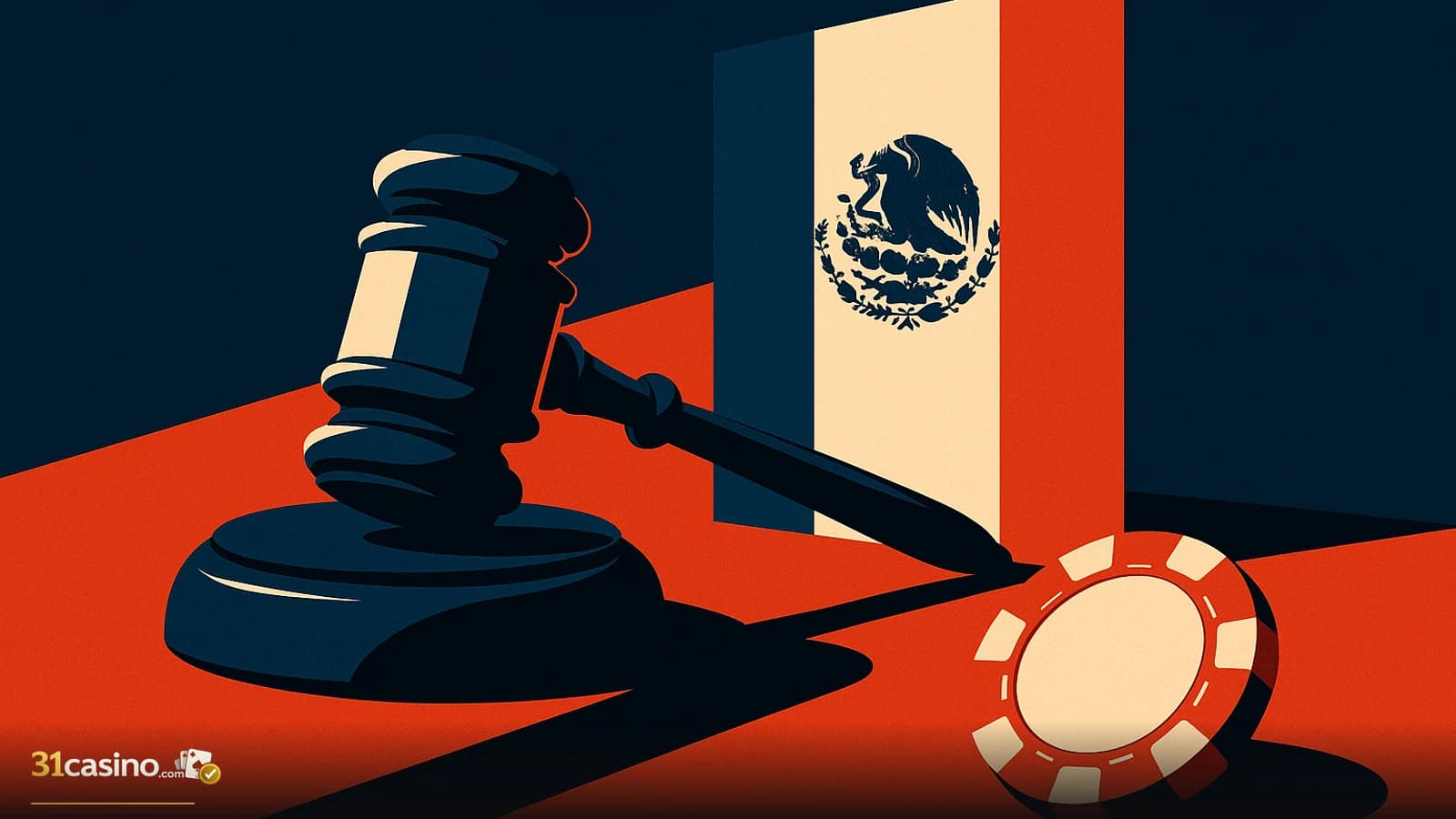
Mexico is advancing a comprehensive overhaul of its decades-old federal gaming and sweepstakes laws, signaling significant regulatory change for land-based casinos and the wider gambling sector in Latin America.
Coverage frame
This piece sits inside the wider 31Casino news desk, where single developments are read against regulation, market structure, and reader relevance.
Primary source base
- ▸Mexico is progressing toward a major update of its federal gaming and sweepstakes regulations, replacing laws dating to the 1940s.
- ▸The proposed reform aims to modernise oversight of land-based casinos and various games of chance.
- ▸Legislative efforts reflect shifting attitudes and economic priorities around gambling in Latin America’s second-largest economy.
- ▸Stakeholders across the gambling industry are closely watching potential impacts on licensing, compliance, and market growth.
What Happened
Lawmakers in Mexico are advancing proposals for a far-reaching overhaul of the country’s federal gaming and sweepstakes legislation. The initiative would replace a regulatory framework that has largely remained unchanged since 1947, introducing new provisions governing land-based casinos, lotteries, and other gaming activities.
This development follows multiple previous legislative attempts to address regulatory gaps and ambiguities in Mexican gambling law. The current push reflects renewed momentum in the Chamber of Deputies, where the need for more robust and contemporary oversight has become a central theme. Over the last decade, piecemeal reforms and temporary measures have attempted to mitigate concerns about illegal operators and regulatory loopholes, but the legal foundation remained essentially static.
Why It Matters
The push to update Mexico’s gaming laws is a watershed moment for the country’s regulated gambling sector. The existing legal framework, conceived more than 75 years ago, no longer reflects the realities of modern land-based or online gambling. As a result, operators, investors, and regulators have navigated a patchwork of permits and unclear guidelines, particularly around casino operations and games of chance.
For the casino industry, comprehensive legislative reform offers the potential for legal and operational certainty. Clearer statutes on licensing, compliance checks, and permitted gaming verticals could foster legitimate growth, attract investment, and ensure operators adhere to responsible gambling standards. For land-based casino operators, this may open pathways to expansion or renewal of licences under more transparent conditions.
1947 — the year Mexico’s original federal gaming law was enacted, underscoring how outdated the current framework is by contemporary standards.
The regulatory overhaul also carries substantial fiscal implications. An updated regulatory structure could yield higher tax revenues through modernised licensing fees and more efficient oversight of the casino sector. As Latin America’s second-largest economy, Mexico represents a significant untapped gambling market that could rival major regional peers if underpinned by robust and consistent regulation.
Industry Context
Mexico’s move to modernise its gaming laws comes amid a period of rapid regulatory change throughout Latin America. Recent years have seen Colombia and Brazil introduce or expand regulated gambling, creating both opportunities and competitive pressures for operators across the region. Industry observers note that clear regulatory pathways tend to attract reputable international operators, increase consumer protections, and enable governments to harness gambling as a source of national revenue.
For stakeholders already invested in Mexico, including domestic land-based casino groups and multinational suppliers, the potential law reform is both a risk and an opportunity. New compliance requirements are anticipated, and companies may need to adapt internal protocols, employee training, and even game offerings to meet updated standards once new statutes come into force.
Regulatory Background
Mexico’s gaming market historically relied on the Federal Betting and Raffles Law of 1947. This archaic legislation does not address modern casino operations, online betting, or many forms of electronic gaming. In practice, operators received temporary permits from the Ministry of the Interior, leading to inconsistent application of rules and frequent legal disputes.
Previous reform efforts, most notably in 2014, aimed to overhaul the legal architecture but failed to secure the necessary consensus within Congress. This latest initiative draws on lessons from those unsuccessful attempts, aiming for a more granular and enforceable regulatory framework that clarifies permit criteria, oversight responsibilities, and consumer protection measures.
What Happens Next
The legislative proposal is currently under committee review in Mexico’s Chamber of Deputies. Lawmakers are expected to conduct further consultations with industry experts, legal scholars, and business stakeholders before advancing the bill to a full vote. If approved, the reform will set in motion a new era for regulated gambling in Mexico, with specific details around implementation, licensing, and enforcement to be codified through subsequent regulations.
Sources
This article is for informational purposes only. 31Casino does not provide gambling services or recommendations. If you're concerned about your gambling, visit our Responsible Gambling page for support resources.