
Selection size matters emotionally
Choosing more numbers changes how the ticket feels, even if it does not create an edge.
Trust-first gambling intelligence for regulated markets
Lottery
Beginner friendlyKeno is one of the simplest games to explain and one of the easiest to misjudge emotionally. Because it feels light and lottery-like, players can underestimate how sparse the winning rhythm may feel over a session.
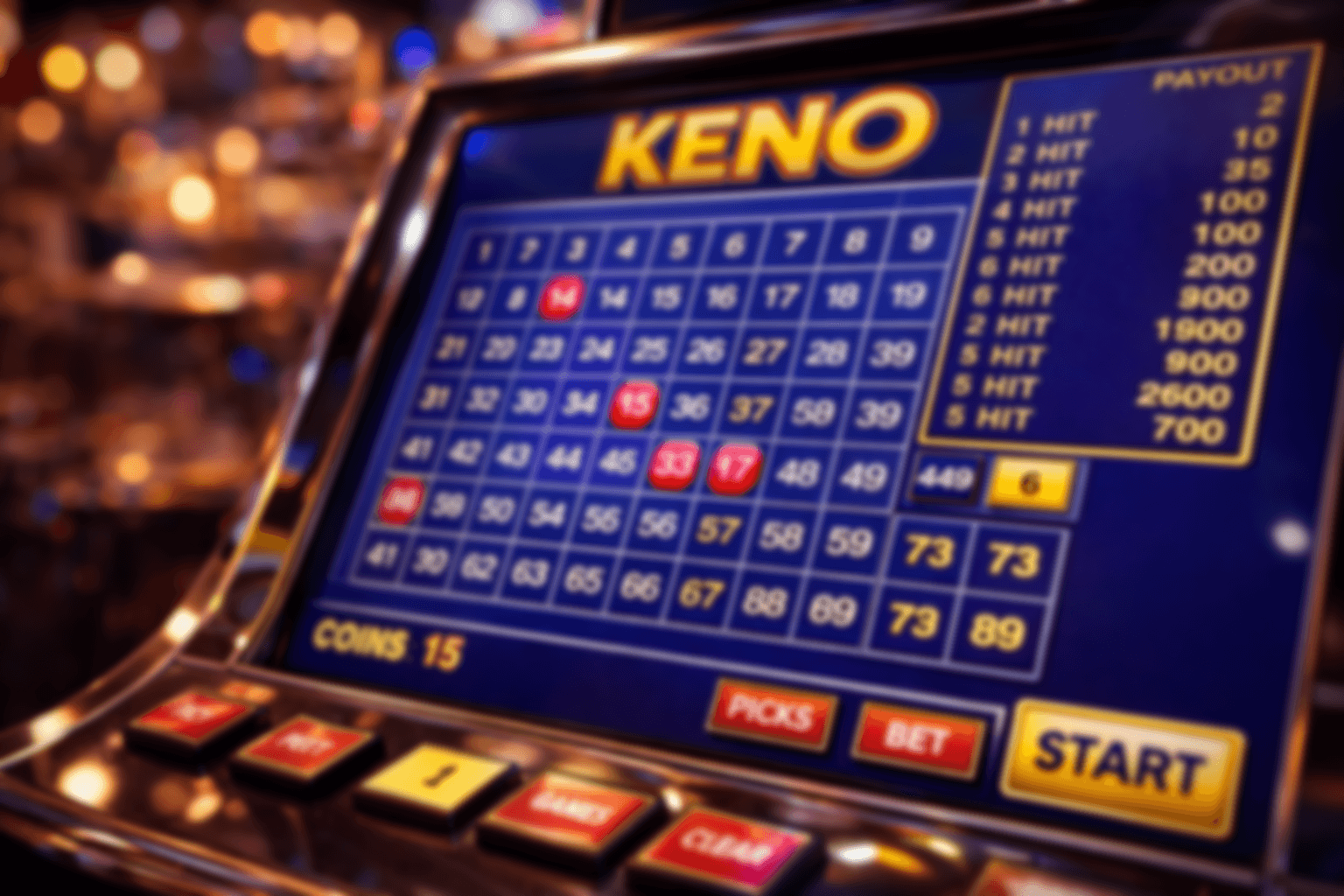
Keno is often positioned as simple fun, and it is simple. The danger is assuming that simplicity means softness. In practice, the game can produce long stretches where the player gets very little back, depending on the ticket format and expectations they brought in.
Choosing more numbers changes how the ticket feels, even if it does not create an edge.
The same basic game can feel very different depending on the payout structure.
Keno is easier to enjoy when treated as low-control entertainment rather than a pattern game.
Keno is a lottery-style game where the player selects numbers and wins based on how many of those numbers appear in the draw.
Not really. The core decisions are mostly about selection size and expectation, not about outplaying the draw.
Because the game combines simple play with long-shot outcomes, which can create very sparse winning rhythms depending on the ticket style.
No. The number choice changes the pattern of possible outcomes, but not the fundamental game edge.
Players who understand it as a lottery-like entertainment format rather than a game of tactical control.
Move from the game itself into the systems around it: RTP, testing, payments, and broader site context.
Games
Compare keno with slots, roulette, and other formats.
Guide
Useful once the visitor wants to compare long-run value.
Guide
Important when a simple format starts feeling deceptively harmless.
Guide
A practical next layer once the reader moves beyond the game itself.
Last Updated: March 29, 2026